
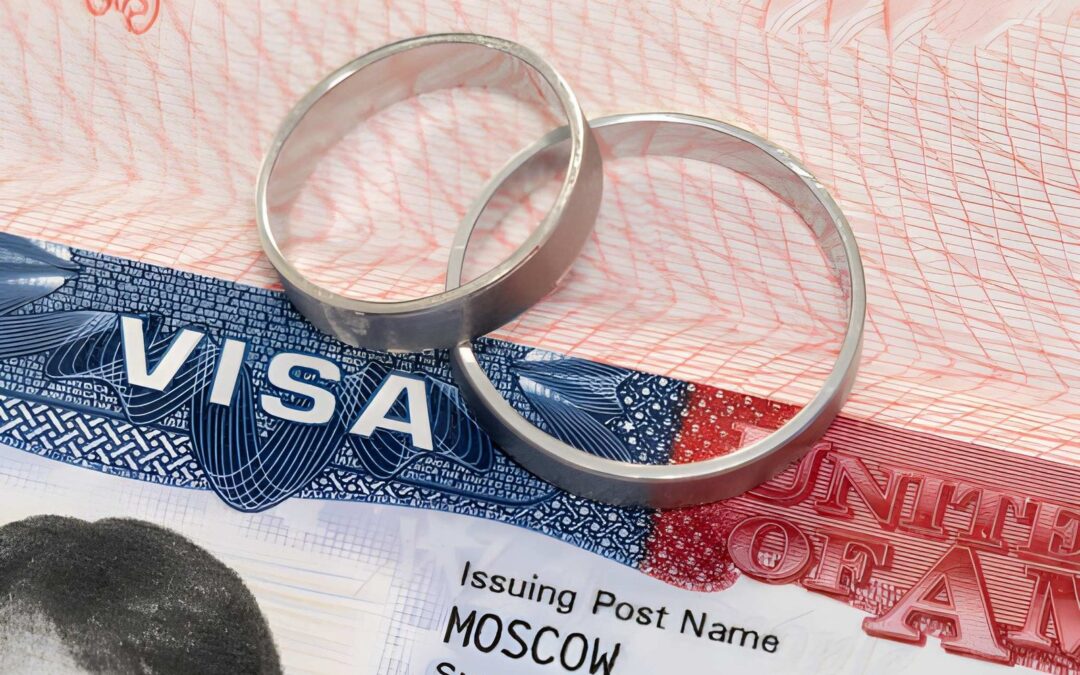
Every year over 35,000 fiancé visas get approved in the United States alone. If you are planning to marry a foreign national and want them by your side in your home country, a fiancé visa is the path that makes that possible. This guide breaks down exactly what it is, what it costs, and what you need to do.
What Is a Fiancé Visa and How Does It Work?
A fiancé visa is a government-issued travel document that allows a foreign-born partner to enter a country for the specific purpose of getting married. In the U.S., this is commonly called the K-1 visa. Other countries have their own versions under different names.
You and your fiancé must meet in person at least once within the two years before filing. The marriage must happen within 90 days of your partner’s arrival. Missing that window means they must leave the country.
Who Qualifies for a Fiancé Visa?
Not every couple automatically qualifies. Here is what most immigration authorities require:
- Both partners must be legally free to marry (divorced, widowed, or never married)
- The petitioner must be a citizen of the country they are filing in (not just a permanent resident, in the U.S.)
- You must have met in person within the last two years
- You must prove a genuine, ongoing relationship
- The petitioner must meet minimum income requirements
What Does a Fiancé Visa Cost?
Here is a quick breakdown of the typical costs involved in the U.S. K-1 visa process:
| Fee Type | Approximate Cost |
| USCIS Filing Fee (Form I-129F) | $675 |
| DS-160 Visa Application Fee | $265 |
| Medical Examination | $200 to $500 |
| Translation and Document Costs | $100 to $300 |
| Attorney Fees (optional) | $1,000 to $3,000 |
| Total Estimate | $2,200 to $4,700+ |
Costs vary depending on your country, the complexity of your case, and whether you hire legal help. At MarriedLegally.com, you can find updated pricing tools and professional guidance.
Step-by-Step Process: Filing a Fiancé Visa
The fiancé visa process has clear stages. Knowing each one helps you avoid delays and costly mistakes.
Step 1: File the Petition
The U.S. citizen files Form I-129F with USCIS. This is the Petition for Alien Fiancé. You submit evidence of your relationship like photos, call logs, trip records, and written statements.
Step 2: Wait for USCIS Approval
Processing typically takes 6 to 9 months. Once approved, USCIS sends the case to the National Visa Center and then to the U.S. embassy in your partner’s country.
Step 3: Complete the Visa Interview
Your fiancé attends an interview at the U.S. embassy or consulate. They will need:
- Valid passport
- Form DS-160 confirmation
- Medical exam results from an approved physician
- Police certificates
- Proof of your relationship
- Sponsor’s financial documents (Form I-134)
Step 4: Receive the Visa and Travel
Once approved, your fiancé gets a single-entry K-1 visa valid for 6 months. They must enter the U.S. within that period.
Step 5: Get Married Within 90 Days
This is non-negotiable. The law requires the marriage to happen within 90 days of entry. If it does not happen, your fiancé must leave.
Step 6: Apply for a Green Card
After the wedding, your spouse can file Form I-485 to adjust status and become a lawful permanent resident. This is the next step toward building your life together permanently.
Step 7: Receive Conditional Green Card
Your spouse will receive a 2-year conditional green card. Before it expires, you file jointly to remove conditions and get a 10-year permanent green card.
Common Reasons Fiancé Visas Get Denied
Denials happen more often than people expect. The most common reasons include:
- Insufficient proof of a genuine relationship
- Criminal history of the petitioner or beneficiary
- Prior immigration violations
- Failure to meet the income threshold
- Incomplete or incorrect paperwork
Getting professional help significantly reduces your chances of a denial.
Tips to Make Your Application Stronger
Your application is only as strong as the evidence you provide. Here is how to build a solid case:
- Include a wide range of relationship evidence: photos from different trips, screenshots of regular communication, and letters from people who know you both
- Keep your financial documents clean and up to date
- Be honest on every form. Any inconsistency can raise red flags
- Respond quickly to any Request for Evidence (RFE) from USCIS
Related: Can I Get Married In Another State Online: 7 Facts
Conclusion
The fiancé visa is a real and powerful way to bring your partner home legally. Yes, the process takes time and patience. Yes, there are real costs involved. But when done right, it opens the door to your future together in the same country, under the same roof.
If you want step-by-step help, expert tools, and resources built specifically for couples going through this process, visit MarriedLegally.com. The right support at the right time makes all the difference.