
Legally reviewed by Chad Pemberton, J.D., Managing Attorney, Pemberton Law, PLLC. Last updated: November 15, 2026.
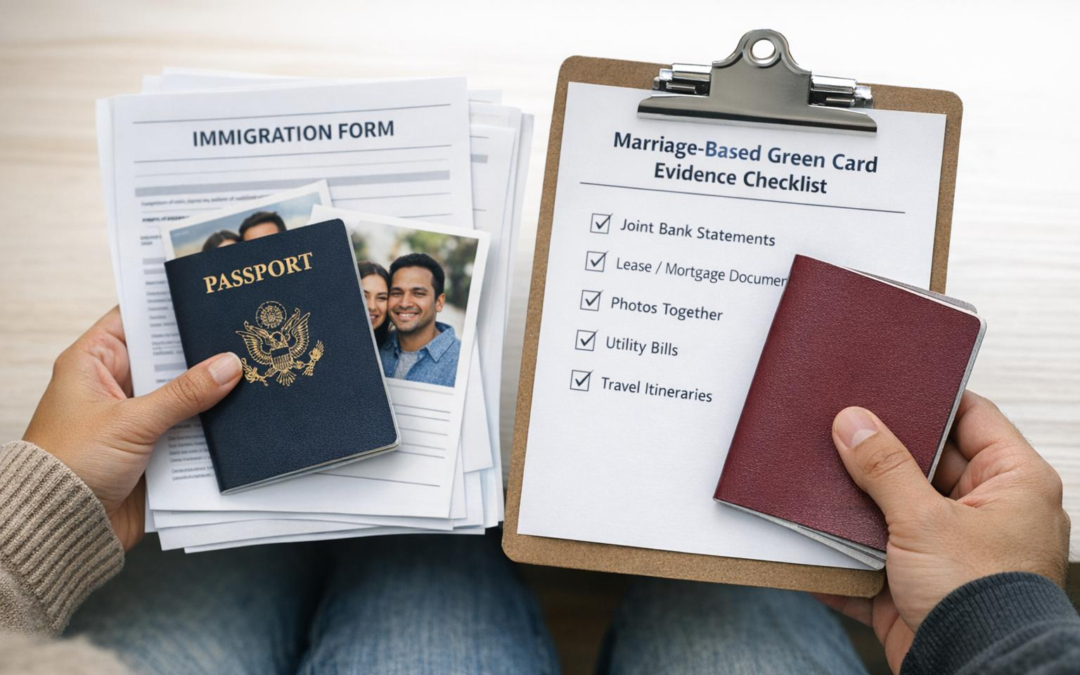
Bona fide marriage evidence is proof that you married for love and a shared life, not for immigration benefits. The strongest evidence shows that your lives are joined in practical ways: a shared home, shared money, and shared responsibilities. Photos and messages help, but officers give the most weight to documents created by third parties, like banks, landlords, and insurers.
Every marriage-based case, whether a K-1 adjustment, a spousal visa, or a green card filed from inside the U.S., must prove that the marriage is genuine. A well-built evidence file is the single best way to avoid a request for evidence, a difficult interview, or a denial. Here is exactly what to include and how to present it.
What “Bona Fide” Means to USCIS
“Bona fide” is Latin for “in good faith.” USCIS wants to see that, when you married, you intended to build a life together. Officers look at the whole picture, not one document. A couple with a joint lease, a joint bank account, and years of photos tells a clear story. A couple with only a marriage certificate and a few selfies leaves room for doubt.
The marriage certificate proves you are legally married. It does not prove the marriage is real. That is why the I-130 instructions ask for additional evidence of your relationship, as explained on the USCIS Form I-130 page.
The Strongest Evidence (Tier 1)
These documents carry the most weight because they come from third parties and show real commitments:
- Joint lease or mortgage with both names, or a deed showing joint ownership.
- Joint bank account statements showing both spouses actually use the account for everyday spending, not just an empty account opened for the case.
- Joint tax returns filed as married filing jointly. IRS tax transcripts are even better.
- Birth certificates of children you have together.
- Health, car, or life insurance naming each other as spouse or beneficiary.
Strong Supporting Evidence (Tier 2)
- Utility, internet, or phone bills in both names at the same address.
- Joint credit cards or loans.
- Mail addressed to both spouses at the shared home.
- Driver’s licenses or IDs showing the same address.
- Employer records listing the spouse as an emergency contact or dependent.
- Joint gym memberships, car registrations, or store accounts.
Helpful Personal Evidence (Tier 3)
These show the human side of your relationship. They help, but they cannot carry a case alone:
- Photos together over time, with family and friends, at different places and seasons. Label each one with the date, place, and people.
- Travel records such as boarding passes, hotel bookings, and passport stamps from trips together.
- Communication history like messages and call logs, especially for couples who lived apart.
- Wedding evidence such as invitations, the ceremony program, or a recording of an online ceremony.
- Affidavits from friends and family who know you as a couple.
How to Write a Strong Affidavit
Affidavits work best from people who have personal knowledge of your relationship. Each one should include the writer’s full name, date and place of birth, address, and immigration status, explain how they know you, describe specific moments they witnessed, and be signed and dated. Two or three detailed affidavits are worth far more than ten generic ones.
Evidence for Couples Who Live Apart
Spouses filing for a CR-1 spousal visa often have not lived together yet. That is expected. Focus instead on:
- Proof of visits: flights, hotel stays, and photos from each trip.
- Regular communication across the whole relationship.
- Money sent to support each other.
- Plans for your future home, such as apartment searches or job applications.
- Evidence that you met in person, especially if you married online.
Couples who married online must also show the marriage was consummated if they were not physically together for the ceremony. Our guide on whether an online marriage is valid for a green card explains this rule.
Evidence That Carries Little Weight
- Greeting cards with no context.
- Dozens of photos taken on the same day.
- A joint account opened the week before filing with no activity.
- Generic affidavits that all use the same wording.
- Thousands of pages of chat logs with no summary.
More paper is not better. Officers have limited time, and a focused, organized file is easier to approve.
How to Organize Your Evidence
- Create an index listing each exhibit by number and description.
- Group by category: home, finances, insurance, children, photos, affidavits.
- Use a sample of statements, such as one from every few months, not every page.
- Label photos with dates, places, and names, around 15 to 25 well-chosen images.
- Translate any foreign-language document with a certified English translation.
- Bring originals and updated evidence to your interview.
Keep Building Evidence After You File
Your evidence does not stop at filing. You will need updated proof at your interview, and again if you file Form I-751 to remove conditions. Keep adding to joint accounts, update addresses together, and save new records as they arrive. Our guides on interview questions and removing conditions explain what comes next. For the warning signs officers watch for, read marriage fraud red flags.
Quick-Reference Checklist
Use this list to check your file before you submit. You do not need everything on it. Aim for several items from the first two groups, plus a focused selection from the third.
| Category | Have It? |
|---|---|
| Joint lease, mortgage, or deed | ☐ |
| Joint bank statements (a sample across several months) | ☐ |
| Joint tax return or IRS transcript | ☐ |
| Insurance naming your spouse | ☐ |
| Children’s birth certificates, if any | ☐ |
| Utility or phone bills at the same address | ☐ |
| IDs showing the same address | ☐ |
| Labeled photos from different times and places | ☐ |
| Travel records from trips together | ☐ |
| Two or three detailed affidavits | ☐ |
| Wedding evidence (invitation, program, or ceremony recording) | ☐ |
| Index listing every exhibit | ☐ |
What If You Just Married and Have Little Evidence Yet?
New marriages naturally have less paper. Officers know this. Start building evidence right after the wedding: open a joint account and use it for groceries and bills, add each other to insurance at the next enrollment window, put both names on the lease, and update your addresses. Even a few months of joint activity makes a real difference. Our guide to how soon after marriage to apply for a green card explains when a short wait can help, and the marriage health insurance guide explains how to add a spouse to your plan.
What This Means for You
Lead with third-party documents: a shared lease, joint bank statements, joint taxes, and insurance. Support them with labeled photos, travel records, and two or three detailed affidavits. Organize everything with an index, keep it focused, and keep collecting new evidence until your case is fully approved.
Want a second pair of eyes on your evidence? Our team reviews marriage green card files with attorney oversight before you submit. Book a free consultation today.
Frequently Asked Questions
What is the best evidence of a bona fide marriage?
The best evidence comes from third parties and shows real shared responsibilities: a joint lease or mortgage, joint bank statements with everyday spending, joint tax returns, insurance naming each other, and birth certificates of children together.
How many photos should we submit?
Around 15 to 25 well-chosen photos is usually enough. Pick images from different dates, places, and events, ideally including family and friends. Label each one with the date, location, and people shown, rather than submitting hundreds of similar pictures.
Do we need affidavits from friends?
Affidavits are optional but helpful, especially for new marriages or couples who live apart. Two or three detailed, signed statements from people who know you well are more persuasive than many short, generic ones.
What if we have not lived together yet?
That is common for spousal visa cases. Show visits, travel records, regular communication, financial support, and concrete plans to live together. Officers understand that couples separated by borders cannot share a lease yet.
Should we include our chat history?
A short sample helps, particularly for long-distance couples. Choose screenshots from different periods of the relationship and include a brief summary. Do not submit thousands of pages, because officers will not read them.
This article is general information about U.S. immigration procedure. It is not legal advice and it does not create an attorney client relationship. Immigration rules change often. For guidance on your own case, book a free consultation with the Married Legally team or speak with a licensed immigration attorney.
Legal Disclaimer: The information provided in this article is for general educational and informational purposes only. It is not intended to constitute legal advice or create an attorney-client relationship. Laws and legal requirements may change and vary depending on individual circumstances and jurisdiction. Please consult a qualified attorney regarding your specific situation.
Written by: Eric Richards, M.A.
Eric Richards, M.A., brings a background in neuroscience coaching, personal development, relationships, and human behavior to Married Legally. Eric is a Certified Neuroscience Coach with additional professional training in life coaching, personal transformation, happiness coaching, life purpose coaching, and business coaching. His certifications include training through Transformation Academy.

Legally Reviewed by: Chad Pemberton, J.D.
Chad Pemberton is a Utah-licensed attorney and owner of Pemberton Law, PLLC. He earned his Juris Doctor from law school in Michigan and has experience in U.S. immigration law and marriage law. Chad has reviewed this article to help ensure its legal information is accurate, relevant, and helpful to readers.